
How Vending Machines Handle Expiry Dates
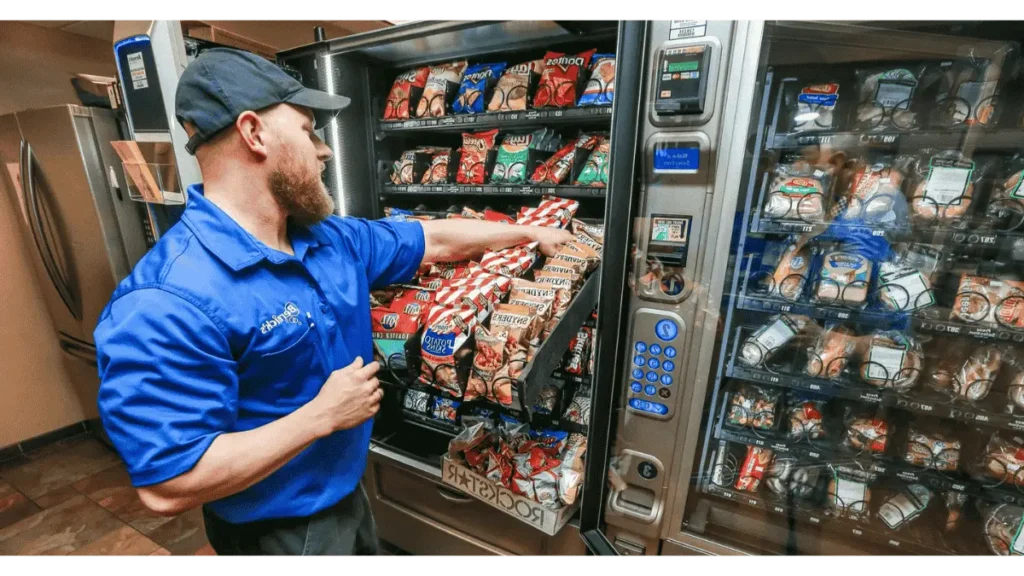
Product freshness is a common concern among vending machine users. Unlike traditional retail outlets where staff can manually monitor shelves, vending machines rely on structured systems and operational processes to ensure products are sold within their expiry dates.
Modern vending operations use a combination of technology, inventory management practices, and service routines to maintain product quality. This article explains how vending machines handle expiry dates and why users can trust the freshness of vending machine products.
Why Expiry Date Management Is Important
Managing expiry dates is essential for both consumer safety and operational efficiency.
Proper expiry control helps:
- Protect consumer health
- Maintain product quality
- Reduce food waste
- Comply with safety standards
- Preserve trust in vending services
Failure to manage expiry dates can lead to product wastage and reputational risk.
Controlled Inventory Levels
Unlike open retail shelves, vending machines hold a limited number of products.
This controlled capacity:
- Reduces overstocking
- Limits long-term storage of items
- Encourages faster stock turnover
Lower inventory levels make it easier to monitor and manage expiry timelines effectively.
First-In, First-Out Stock Rotation
Vending operators follow a first-in, first-out approach during restocking.
This means:
- Older stock is placed in front or dispensed first
- New stock is added behind existing items
- Products move through the machine in a structured sequence
This rotation method ensures items closer to expiry are sold first.
Scheduled Restocking and Servicing
Regular servicing plays a key role in expiry management.
During restocking visits, operators:
- Check product expiry dates
- Remove items nearing expiry
- Replace slow-moving products
- Adjust product mix if necessary
These scheduled checks prevent expired products from remaining in machines.
Use of Sales and Consumption Data
Smart vending machines collect real-time sales data.
Operators use this data to:
- Identify slow-moving items
- Adjust stock quantities
- Improve product rotation
- Avoid placing unsuitable products in certain locations
Data-driven decisions help ensure products sell within safe timeframes.
Product Selection Based on Location
Different locations have different consumption patterns.
Vending operators tailor product selection by:
- Matching items to user preferences
- Avoiding products with short shelf life in low-traffic areas
- Selecting appropriate products for 24/7 environments
This targeted approach reduces the risk of products expiring unsold.
Monitoring Expiry Dates Digitally
Some modern vending systems support digital tracking.
These systems can:
- Record expiry information during restocking
- Flag items nearing expiry
- Support proactive stock replacement
Digital monitoring adds an extra layer of control for quality assurance.
Removal of Near-Expiry Products
Responsible vending operations do not wait until products expire.
Instead:
- Near-expiry items are removed early
- Products may be replaced or rotated to higher-demand locations
- Expired products are never offered for sale
This proactive approach protects users and maintains service quality.
Hygiene and Storage Conditions
Expiry management also depends on proper storage.
Vending machines are designed to:
- Maintain stable temperatures
- Protect products from direct handling
- Reduce exposure to contaminants
Proper storage conditions help preserve product quality throughout its shelf life.
Compliance with Safety and Quality Standards
Vending operators are responsible for complying with food safety regulations.
Expiry date management supports:
- Regulatory compliance
- Internal quality checks
- Brand and operator credibility
This ensures vending machines meet acceptable safety standards in commercial and workplace environments.
Building User Trust Through Consistency
When users consistently receive fresh products, trust increases.
Effective expiry management:
- Encourages repeat purchases
- Improves user confidence
- Strengthens long-term vending usage
Trust is essential for sustained vending machine performance.
Conclusion
Vending machines handle expiry dates through controlled inventory, regular servicing, data-driven stock management, and responsible operational practices. These systems ensure products remain fresh, safe, and suitable for consumption.
Modern vending operations prioritise product quality, giving users confidence in every purchase.
Looking for a vending solution that prioritises product freshness and quality control?
Contact Nexus Vend today to explore fully managed vending machine solutions designed for reliability, safety, and peace of mind.