
How Often Should Vending Machines Be Serviced?
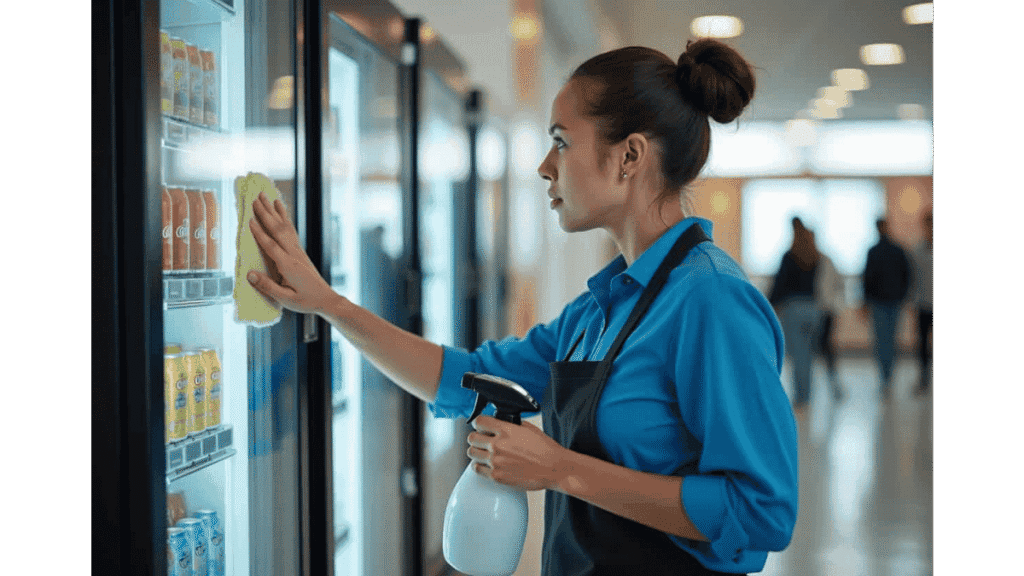
Regular servicing is essential to keep vending machines running smoothly, hygienically, and profitably. Whether installed in offices, factories, schools, or commercial spaces, a well-maintained vending machine performs better, lasts longer, and delivers a better user experience.
This article explains how often vending machines should be serviced and what proper maintenance looks like behind the scenes.
General Servicing Frequency
Most modern vending machines follow a routine servicing schedule.
Typical frequency:
- Once every 1–2 weeks for high-traffic locations
- Once every 3–4 weeks for lower-traffic sites
- More frequently during peak seasons or promotions
The actual schedule depends on sales volume and product type.
Factors That Affect Servicing Frequency
Not all vending machines require the same maintenance interval.
Key factors include:
- Daily sales volume
- Type of products sold
- Location environment (dust, heat, humidity)
- Payment systems used
- Machine size and capacity
Higher usage leads to more frequent servicing needs.
Servicing for Snack and Beverage Machines
Snack and drink vending machines are the most common.
Servicing usually includes:
- Restocking sold items
- Checking product expiry dates
- Cleaning spirals and dispensing areas
- Inspecting payment systems
- Refilling change (if applicable)
These machines are typically serviced weekly or bi-weekly.
Servicing for Fresh Food and Frozen Vending Machines
Machines offering fresh or frozen food require stricter schedules.
Additional servicing tasks:
- Temperature checks
- Hygiene and sanitation cleaning
- Shorter stock rotation cycles
- Expiry monitoring
These machines may require weekly or even twice-weekly servicing.
Cleaning and Hygiene Maintenance
Cleanliness directly affects user trust and safety.
Routine cleaning includes:
- External machine wipe-down
- Touchscreen and button sanitisation
- Product tray cleaning
- Spill and residue removal
High-traffic locations benefit from more frequent cleaning.
Technical and Preventive Maintenance
Beyond restocking, servicing also prevents breakdowns.
Preventive checks include:
- Motor and spiral alignment
- Sensor calibration
- Cooling system inspection
- Software and firmware checks
These checks reduce unexpected downtime.
Cashless Payment System Checks
Modern vending machines rely heavily on cashless systems.
Servicing ensures:
- QR code scanners function properly
- Card readers respond accurately
- Network connectivity remains stable
- Transaction logs sync correctly
Payment issues can directly affect sales if not addressed promptly.
Emergency Servicing vs Scheduled Servicing
There are two main types of servicing.
Scheduled servicing:
- Planned and routine
- Prevents issues before they happen
Emergency servicing:
- Triggered by machine errors
- Required for jams or payment failures
Professional operators aim to minimise emergencies through proper scheduling.
Who Should Handle Vending Machine Servicing?
Most businesses opt for fully managed solutions.
Managed servicing includes:
- Stock replenishment
- Cleaning and hygiene
- Technical troubleshooting
- Performance monitoring
This removes the burden from facility managers and admin teams.
Why Regular Servicing Matters
Consistent servicing delivers long-term benefits.
These include:
- Better machine uptime
- Fewer customer complaints
- Longer equipment lifespan
- Higher sales performance
- Improved brand perception
Neglected machines often lead to lost revenue and poor user experience.
Conclusion
Vending machines should be serviced regularly based on usage, product type, and location conditions. While most machines perform well with weekly or bi-weekly servicing, fresh food and high-traffic environments may require more frequent attention. Proper maintenance ensures reliability, hygiene, and optimal performance.
Want a worry-free vending solution with scheduled servicing handled for you?
Contact Nexus Vend today to explore our fully managed vending machine services.