
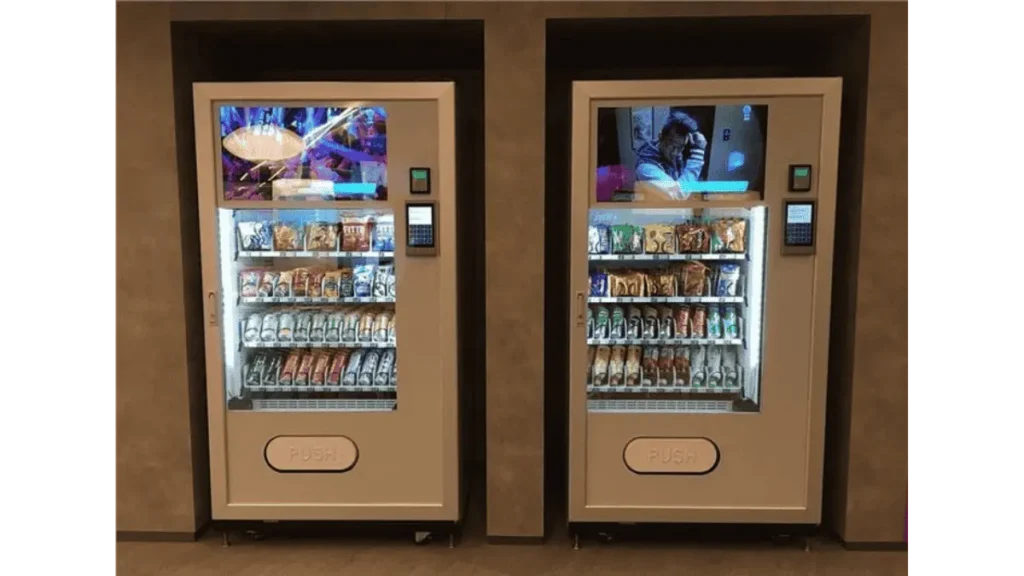
Food safety is a critical concern for vending machines in Malaysia, especially in office and commercial environments. With Malaysia’s warm climate and high humidity, proper food handling and machine management are essential to ensure products remain safe for consumption.
This article explains how food safety is managed in Malaysian vending machines and why professional operations matter.
Understanding Food Safety Risks in Malaysia
Malaysia’s environment increases certain food safety risks.
Common challenges include:
- Heat affecting product stability
- Humidity accelerating spoilage
- Condensation inside machines
- High daily usage in offices
These factors make food safety management especially important.
Temperature Control Inside Vending Machines
Temperature consistency is the foundation of food safety.
Operators ensure:
- Cooling systems maintain stable temperatures
- Sensors are calibrated regularly
- Temperature fluctuations are monitored
- Alerts are triggered if limits are exceeded
This is crucial for drinks, fresh food, and perishable items.
Hygiene and Machine Cleanliness
Clean machines reduce contamination risks.
Routine hygiene practices include:
- Cleaning dispensing trays
- Sanitising touchpoints and screens
- Removing spills and residue
- Internal compartment cleaning
Regular cleaning protects both products and users.
Managing Product Expiry Dates
Expiry control is a key food safety requirement.
Operators manage this by:
- Tracking expiry dates digitally
- Rotating stock based on first-in-first-out principles
- Removing near-expiry items early
- Avoiding overstocking
This minimises the risk of expired products being sold.
Handling Fresh and Ready-to-Eat Products
Fresh food vending requires stricter controls.
Safety measures include:
- Shorter restocking cycles
- More frequent temperature checks
- Limited shelf life products
- Faster product rotation
These steps ensure freshness and compliance.
Preventing Cross-Contamination
Vending machines store multiple products together.
To reduce cross-contamination:
- Packaging integrity is checked
- Machines are cleaned between restocking
- Damaged packaging is removed immediately
This maintains hygiene standards.
Compliance with Malaysian Food Safety Standards
Vending machine operations must align with local expectations.
Professional operators follow:
- Food handling best practices
- Hygiene protocols
- Proper storage guidelines
Compliance protects both businesses and consumers.
Role of Preventive Maintenance
Preventive maintenance supports food safety.
It ensures:
- Cooling systems function correctly
- Seals and insulation remain intact
- Sensors provide accurate readings
Maintenance prevents food safety failures before they occur.
Why Managed Vending Services Matter
Food safety requires consistent oversight.
Managed services provide:
- Scheduled servicing
- Trained personnel
- Monitoring systems
- Clear accountability
This reduces risk for offices and facility managers.
Conclusion
Managing food safety in Malaysian vending machines requires strict temperature control, hygiene practices, and careful stock management. With Malaysia’s climate and high usage environments, professional operation and preventive maintenance are essential to ensure safe, reliable vending services.
Concerned about food safety in your office vending machines?
Contact Nexus Vend to explore professionally managed vending solutions designed for Malaysian standards and conditions.