
How Long Does a Vending Machine Last?
Vending machines are long-term business assets designed to operate daily with minimal supervision. However, their lifespan depends on several factors such as machine type, usage frequency, environment, and maintenance quality.
This article explains the typical lifespan of vending machines and what operators can do to maximise their value.
Average Lifespan of a Vending Machine
On average, a well-maintained vending machine can last:
- 10 to 15 years for standard snack and drink machines
- 8 to 12 years for combo vending machines
- 7 to 10 years for machines in high-traffic or harsh environments
Some machines continue operating beyond these ranges with proper servicing and upgrades.
Factors That Affect Vending Machine Lifespan
Several key factors influence how long a vending machine can operate effectively.
- Quality of machine build and components
- Frequency of daily usage
- Indoor vs outdoor placement
- Temperature and humidity exposure
- Maintenance schedule and servicing quality
Machines placed in clean, climate-controlled environments tend to last longer.
Impact of Usage Volume
Higher usage does not necessarily shorten lifespan, but it increases wear on moving parts.
High-traffic locations may experience:
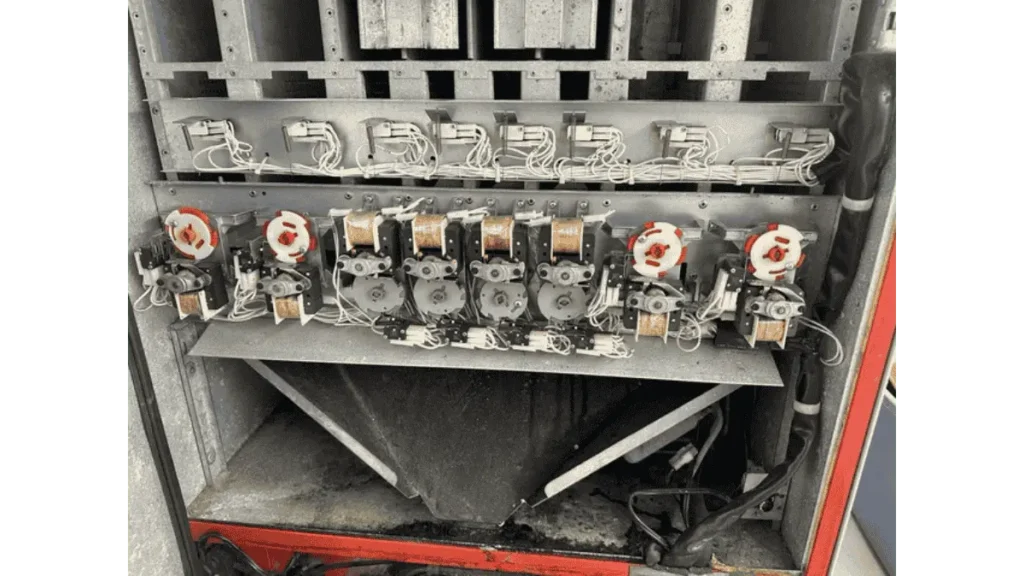
- Faster wear on motors and coils
- More frequent door openings
- Increased need for restocking and cleaning
With proactive maintenance, high-usage machines can still achieve a long service life.
Role of Regular Maintenance
Routine maintenance is the most important factor in extending machine lifespan.
Professional operators typically:
- Clean internal components regularly
- Inspect motors, sensors, and payment systems
- Replace worn parts before failure
- Update machine software when required
Preventive maintenance reduces costly breakdowns and downtime.
Can Old Vending Machines Be Upgraded?
Yes, many older vending machines can be upgraded instead of replaced.
Common upgrades include:
- Cashless payment systems
- New control boards
- Energy-efficient lighting
- Improved dispensing mechanisms
These upgrades can extend a machine’s usability by several years.
Signs a Vending Machine Is Near End of Life
Certain signs may indicate replacement is more cost-effective than repair.
These include:
- Frequent breakdowns
- Obsolete parts no longer supported
- Inconsistent dispensing performance
- Incompatibility with modern payment systems
At this stage, replacement often offers better long-term value.
Commercial vs Residential Longevity
Commercial-grade vending machines last significantly longer than residential or low-cost models.
Commercial machines are built for:
- Continuous operation
- Heavier loads
- Frequent user interaction
This makes them ideal for offices, factories, hospitals, and commercial spaces.
Why Lifespan Matters for Businesses
A longer-lasting vending machine provides:
- Better return on investment
- Lower replacement costs
- More predictable operating expenses
- Stable service for users
This is why professional vending operators prioritise durability and serviceability.
Conclusion
Most vending machines last between 10 and 15 years when properly maintained. Factors such as environment, usage level, and servicing quality play a major role in determining lifespan. With regular maintenance and timely upgrades, vending machines can remain reliable and profitable for many years.
Thinking of installing a vending machine that lasts and performs reliably?
Contact Nexus Vend to explore our professionally maintained vending machine solutions.