
The Psychology of Impulse Buying in Vending Machines
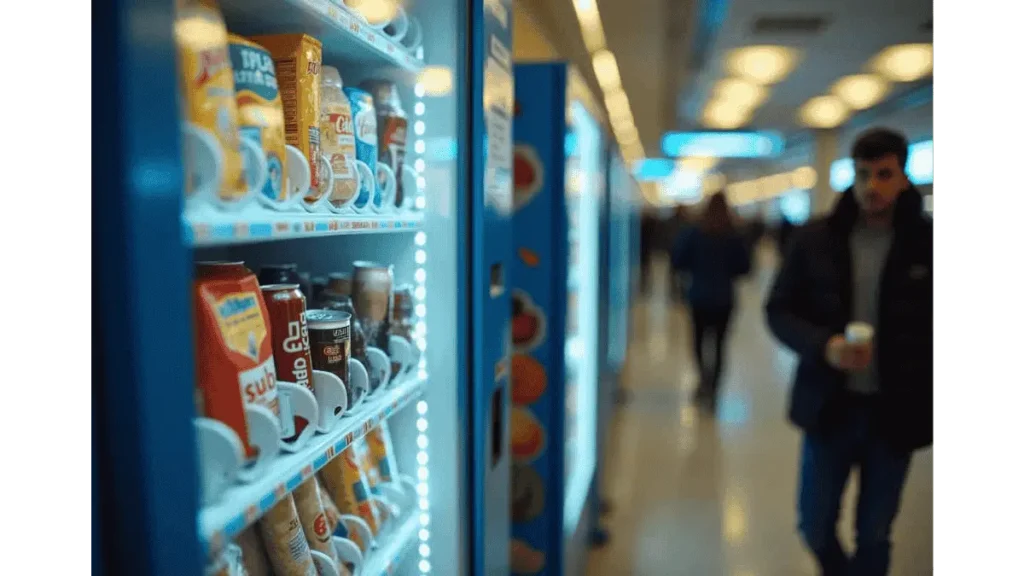
Impulse buying plays a major role in vending machine sales. Unlike planned purchases, vending machine transactions are often driven by momentary decisions influenced by environment, convenience, and visual cues.
Understanding the psychology behind impulse buying helps businesses and vending operators optimise machine performance while creating a smoother user experience. This article explains why impulse buying occurs in vending machines and how different factors influence consumer behaviour.
Why Vending Machines Encourage Impulse Buying
Vending machines are designed for speed and convenience, which naturally supports impulse decisions.
Key characteristics that encourage impulse buying include:
- Immediate product availability
- No interaction with sales staff
- Quick transaction time
- Low decision-making effort
When users encounter a vending machine, they are often already in a situation where they want a quick solution, making impulse purchases more likely.
The Role of Convenience and Accessibility
Convenience is one of the strongest psychological triggers.
Vending machines are placed in:
- Offices and pantries
- Factories and break areas
- Hospitals and public spaces
- Transit points and shared facilities
When food and drinks are easily accessible, the barrier to purchase is low. Users are more likely to buy something simply because it is within reach, especially during breaks or moments of fatigue.
Visual Stimuli and Product Display
Visual appeal strongly influences impulse buying.
Vending machines use:
- Clear product displays
- Bright packaging
- Well-lit interiors
- Organised product rows
Seeing products clearly helps users imagine immediate consumption, which increases the likelihood of an impulse purchase. Products placed at eye level or in prominent positions tend to perform better due to higher visibility.
Emotional Triggers and Mood
Impulse buying is often driven by emotions rather than logic.
Common emotional triggers include:
- Stress during work hours
- Fatigue from long shifts
- Boredom during breaks
- Desire for comfort or reward
Vending machines provide instant gratification, allowing users to satisfy emotional needs quickly without overthinking the purchase.
Time Pressure and Decision Simplicity
Vending machines reduce decision fatigue.
Compared to shops with many choices, vending machines:
- Offer a limited product selection
- Require quick decisions
- Eliminate browsing time
This simplified choice environment encourages faster decisions, increasing the likelihood of impulse purchases.
The Impact of Cashless Payments
Cashless payment systems significantly influence impulse buying behaviour.
When users pay via:
- E-wallets
- QR codes
- Debit or credit cards
They are less conscious of spending compared to cash transactions. The ease of tapping or scanning reduces friction, making impulse purchases feel effortless.
Pricing and Perceived Affordability
Impulse purchases are more likely when prices are perceived as reasonable.
Vending machine products are typically:
- Low to mid-priced
- Seen as affordable indulgences
- Viewed as convenience purchases
This perception reduces hesitation and makes users more comfortable with spontaneous buying decisions.
Habit Formation and Repeat Purchases
Impulse buying can develop into habitual behaviour.
When users repeatedly purchase from vending machines:
- They associate the machine with convenience
- They develop favourite products
- They become less price-sensitive over time
This habit formation contributes to consistent vending machine performance.
Environmental Cues and Placement
The surrounding environment plays a role in impulse buying.
Factors include:
- Placement near workstations or break areas
- Visibility during high-traffic times
- Proximity to waiting or rest zones
The more frequently users encounter a vending machine, the more likely impulse purchases occur.
Responsible Use of Impulse Triggers
While impulse buying benefits sales, responsible vending is important.
Modern vending strategies focus on:
- Balanced product offerings
- Healthier snack options
- Transparent pricing
- User-friendly experiences
This ensures impulse buying remains a positive and ethical part of vending operations.
Conclusion
Impulse buying is a natural outcome of vending machine design, placement, and convenience. By understanding the psychology behind these behaviours, businesses and vending operators can create better user experiences while optimising machine performance.
Vending machines succeed not just because of what they sell, but because of how and where they present products to users.
Looking to optimise your vending machine performance through smarter design and product strategies?
Contact Nexus Vend today to explore modern, data-driven vending machine solutions tailored for workplaces and commercial spaces.
We provide practical solutions for corporate and industrial challenges through our vending machines, prioritizing straightforward functionality to enhance user engagement and operational efficiency.