
Understanding Vending Machine Profit Margins and Cost Structure
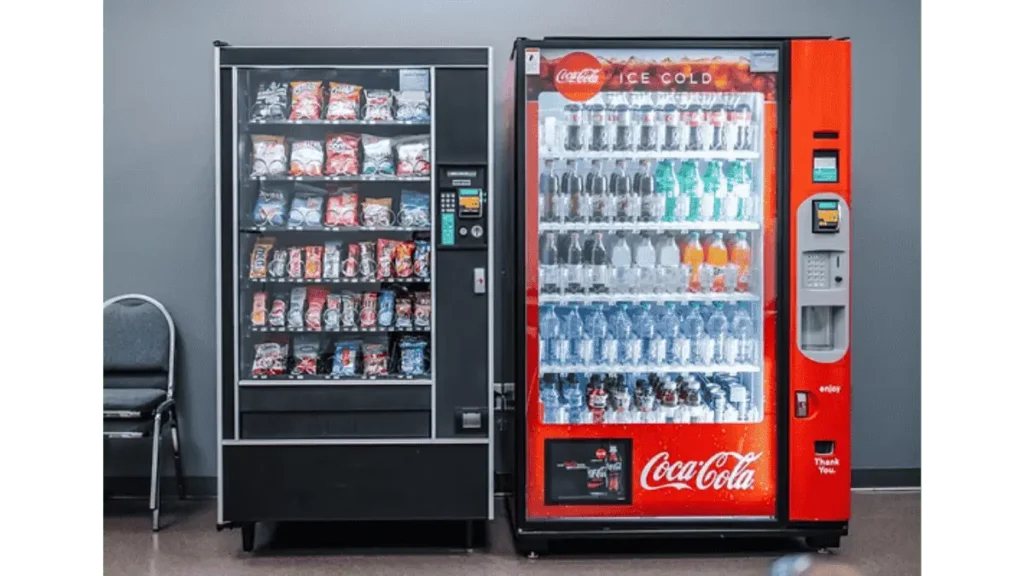
Many businesses in Malaysia are increasingly turning to vending machines as a low-cost, high-efficiency way to generate additional income or offer convenience to employees. While vending machines look straightforward on the surface, the financial structure behind them is more detailed than most people realize.
Understanding the profit margins and cost structure behind vending machines is crucial for companies, facility managers, and entrepreneurs considering vending solutions. From product costs to machine maintenance, every factor plays a role in determining the actual earnings.
This article breaks down how vending machine profitability works and what affects it in real-world Malaysian environments.
1. How Vending Machine Profit Margins Are Calculated
Profit margins in vending machines generally depend on:
- Cost of goods sold (COGS)
- Retail selling price
- Operating expenses
- Machine performance and location
At its simplest, the formula looks like this:
Profit Margin = (Selling Price – Product Cost – Operating Cost) ÷ Selling Price × 100%
In Malaysia, typical vending machine margins range between 20% and 40%, depending on the type of products, location, and operational model (owned vs. fully managed service).
2. Product Cost and Its Impact on Profitability
Product cost (COGS) is the biggest factor affecting vending machine profit. These costs vary depending on:
- Beverage brands (e.g., Coca-Cola vs. local brands)
- Snack types (premium vs. mass market)
- Supplier partnerships
- Bulk purchase discounts
For example:
If a canned drink costs RM1.60 from a supplier and is sold for RM2.50, the direct gross margin is around 36%.
Healthy products or premium snacks usually have higher margins because consumers expect to pay more. Meanwhile, fast-moving essentials like drinks often have thinner margins but higher volume.
3. Location: The King of Profitability
Location is the most important factor that determines how profitable a vending machine can be. High-traffic and high-demand areas—such as offices, colleges, factories, and hospitals—tend to generate significantly more sales.
Why location matters:
- Foot traffic volume
- Behaviour patterns (e.g. students vs. office staff)
- Availability of alternative food outlets nearby
- Operating hours (24/7 venues perform better)
A well-positioned machine can make 10–20 times more than one in a low-traffic area, even with similar product pricing.
4. Machine Cost and Depreciation
Vending machines are capital-intensive assets. Their cost structure includes:
- Machine purchase price
- Depreciation over time
- Installation and setup
- Sticker branding or customization (if required)
In Malaysia, new machines typically cost between RM10,000 and RM18,000 depending on features such as:
- Touchscreen
- Cashless payment systems
- Remote monitoring
- Energy-efficient compressors
Since vending machines depreciate over several years, operators generally spread the cost across the machine’s useful life. This ensures the machine remains profitable even while being paid off over time.
5. Payment System Costs
Modern vending machines accept:
- QR payments
- E-wallets (Touch ‘n Go, GrabPay, Boost, MAE)
- Credit/Debit cards
- Cash (optional)
Cashless systems are now standard and come with transaction fees.
Typical e-wallet fees range from 1.5% to 2% per transaction.
While this cost slightly reduces the net profit, it increases overall sales because customers overwhelmingly prefer cashless payments—especially in office and college environments.
6. Restocking and Labour Costs
Restocking is one of the most important operational factors. It includes:
- Workforce labour
- Transport and petrol
- Time spent at the location
- Inventory management
For machines in high-performing locations, restocking is done multiple times a week. Efficient routing and planning reduce costs and maximise profit.
Some operators also include restocking fees in their pricing model to maintain sustainable operations.
7. Maintenance and Technical Support
Maintenance costs include:
- Routine servicing
- Breakdown repairs
- Replacement of parts
- Software maintenance
- Cleaning and sanitisation
Smart vending machines reduce maintenance costs through real-time alerts and remote diagnostics. Still, occasional technical visits are unavoidable.
Regular maintenance ensures machines operate smoothly, preventing lost sales caused by machine downtime.
8. Utility Costs
Vending machines consume electricity, though modern models are designed to be energy efficient. Typical monthly electricity consumption for a beverage vending machine ranges between:
RM60 to RM150, depending on:
- Model type
- Cooling system
- Usage density
- Ambient temperature
Facility managers often allocate specific meters to vending machines for transparency.
9. Commission and Revenue-Sharing Structures
In corporate or college environments, vending operators often provide machines at zero upfront cost.
Revenue-sharing is then used to compensate the venue.
Common commission models:
- Fixed percentage (10%–20%)
- Subsidy-based
- Fixed monthly rental (rare)
- Hybrid systems
Commission agreements reduce the operator’s profit margin but allow them to access prime locations that generate high sales volume.
10. Real Profit Examples in Malaysia
Actual vendor profitability varies depending on machine type and location. Here’s a general idea:
Low Traffic Location
- Sales: RM1,000–RM2,000/month
- Net profit: RM300–RM600
Medium Traffic Location
- Sales: RM3,000–RM6,000/month
- Net profit: RM1,200–RM2,000
High Traffic Location (Offices, Colleges, Hospitals)
- Sales: RM7,000–RM15,000+/month
- Net profit: RM2,500–RM6,000+
Numbers are influenced by product mix, operational costs, and commission agreements but give a realistic snapshot of what to expect.
11. How to Optimise Vending Machine Profit Margins
To maximise profitability, operators focus on:
- Choosing high-traffic, strategic locations
- Stocking popular items with strong rotation
- Offering cashless payment options
- Using smart machines for real-time monitoring
- Reducing restock frequency through better planning
- Managing costs with bulk supplier deals
- Maintaining machines to avoid downtime
With these strategies, businesses can significantly improve their net margins and grow a stable vending income stream.
Conclusion
Understanding vending machine profit margins and cost structure helps businesses make informed decisions about implementing vending solutions. While vending machines offer strong revenue potential, profitability depends on multiple variables—location, product costs, operational efficiency, and machine performance.
With modern smart vending technology and cashless systems, profit margins are improving, making vending machines an attractive option for Malaysian workplaces.
Ready to install vending machines at your workplace with zero upfront cost?
Nexus Vend offers fully managed vending solutions, smart machines, diverse product selections, and real-time monitoring for maximum convenience and profitability.