
Managing Shared Pantry Spaces with Vending Machines
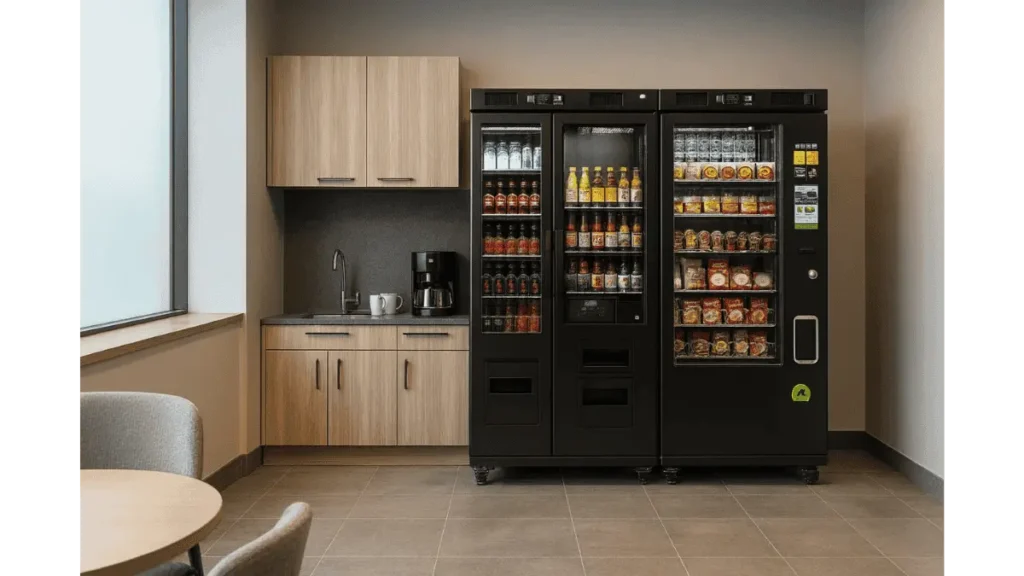
Shared pantry spaces are common in offices, co-working environments, factories, and multi-tenant commercial buildings. While they offer convenience, they can also become difficult to manage due to inconsistent stocking, unclear ownership, hygiene concerns, and rising costs.
Vending machines provide a structured and efficient way to manage shared pantry spaces, offering controlled access to products while maintaining convenience for users. This article explains how vending machines help improve pantry management and why many organisations are adopting this approach.
Challenges of Managing Shared Pantry Spaces
Traditional shared pantries often face recurring issues that affect both users and facility managers.
Common challenges include:
- Products being consumed unevenly or excessively
- Pantry items running out unexpectedly
- Disputes over shared costs
- Food wastage due to overstocking
- Hygiene and cleanliness concerns
- Time spent by staff managing restocking and purchases
As the number of users increases, these issues become harder to control without a structured system.
Introducing Structure to Shared Pantries
Vending machines introduce order and accountability into shared pantry spaces.
Instead of open shelves and communal storage, vending machines:
- Dispense items individually
- Track every transaction
- Control inventory levels
- Reduce uncontrolled consumption
This structured approach helps ensure fairness and consistency, especially in environments with many users.
Simplifying Cost Management
One of the biggest pain points in shared pantry management is cost allocation.
Vending machines help by:
- Allowing pay-per-use access
- Supporting company subsidies or credits
- Providing transparent transaction records
- Eliminating guesswork in cost sharing
Organisations can choose whether employees pay directly, receive monthly credits, or enjoy partially subsidised pricing. This flexibility makes budgeting more predictable and easier to manage.
Reducing Food Waste
Overbuying is a common issue in traditional pantries, often leading to expired or unused items.
Vending machines reduce waste by:
- Stocking products based on actual consumption data
- Rotating items according to demand
- Monitoring expiry dates more accurately
- Preventing bulk exposure of food items
With better control over inventory, organisations can significantly reduce pantry-related waste.
Improving Hygiene and Cleanliness
Shared pantry hygiene is a growing concern, particularly in high-traffic environments.
Vending machines improve hygiene by:
- Minimising direct contact with products
- Storing items in enclosed compartments
- Reducing spills and cross-contamination
- Limiting exposure to shared surfaces
This creates a cleaner, more controlled environment that benefits both users and facility teams.
Saving Time for Admin and Facility Teams
Managing a traditional pantry often requires staff involvement for:
- Purchasing items
- Monitoring stock levels
- Handling complaints
- Cleaning and organising shelves
With managed vending machines:
- Restocking is handled by the operator
- Inventory is monitored remotely
- Maintenance and troubleshooting are outsourced
- Usage data is automatically recorded
This significantly reduces the administrative burden on internal teams.
Supporting Diverse User Preferences
Shared pantry users often have different tastes and dietary needs.
Vending machines can be customised to include:
- Snacks and beverages
- Healthier food options
- Ready-to-eat meals
- Caffeine-free or low-sugar choices
Product rotation ensures the pantry remains relevant and appealing over time, even as user preferences change.
Enhancing the Pantry Experience
A well-managed pantry contributes to overall workplace satisfaction.
Vending machines enhance the experience by:
- Ensuring consistent availability of items
- Reducing frustration caused by empty shelves
- Offering a modern, organised setup
- Supporting cashless and quick transactions
This creates a more pleasant and reliable pantry experience for everyone.
Suitable for Multi-Tenant and Shared Environments
In buildings where multiple companies share facilities, managing a communal pantry can be complex.
Vending machines offer a neutral solution by:
- Eliminating disputes over ownership
- Allowing individual or company-level usage tracking
- Supporting different pricing or access models
- Ensuring equal access for all users
This makes them ideal for co-working spaces, shared offices, and commercial buildings.
Scalable as the Organisation Grows
As headcount increases, traditional pantry systems often struggle to keep up.
Vending machines are scalable and can:
- Support increased usage without major changes
- Be supplemented with additional machines if needed
- Adjust product mix based on consumption patterns
This scalability makes vending machines a long-term solution for shared pantry management.
Conclusion
Managing shared pantry spaces can be challenging without the right structure. Vending machines provide a practical solution by improving organisation, reducing waste, simplifying cost management, and lowering administrative workload.
For organisations seeking a cleaner, more efficient, and scalable pantry solution, vending machines offer clear operational and user experience benefits.
Looking to improve how your shared pantry space is managed?
Contact Nexus Vend today to explore smart, fully managed vending machine solutions designed for offices, co-working spaces, and commercial buildings.