
How Office Vending Machines Help Control Pantry Budgets
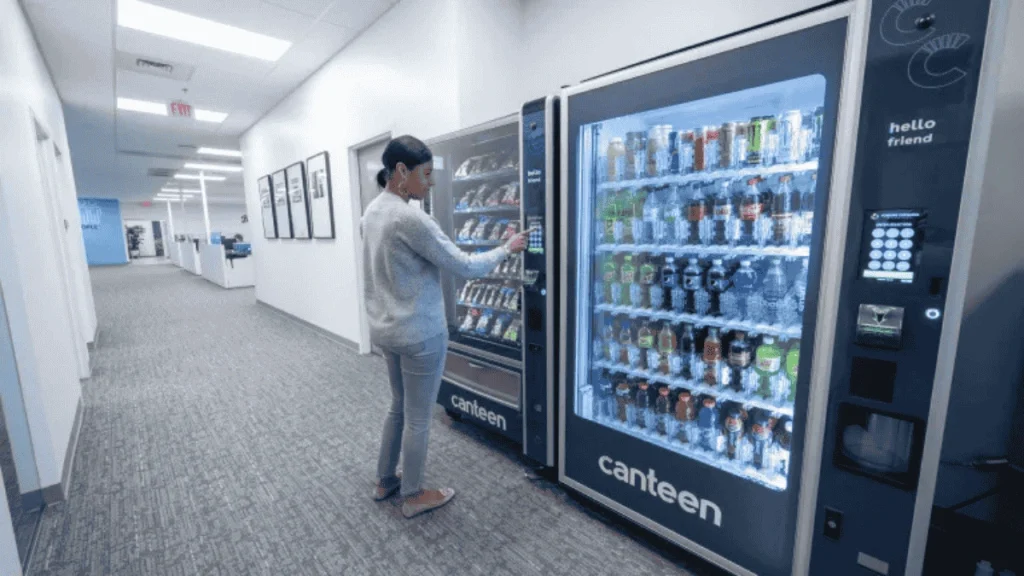
Managing pantry costs is a common challenge for offices of all sizes. Without proper controls, snack spending can quickly exceed expectations due to overstocking, wastage, and lack of visibility.
Office vending machines introduce structure, data, and accountability, making pantry budget management far more predictable and sustainable.
Creating Clear Spending Visibility
Traditional pantries rarely provide accurate cost tracking.
Common issues include:
- No breakdown of consumption
- Difficulty identifying high-cost items
- Unclear monthly spending patterns
Office vending machines solve this by:
- Recording every transaction digitally
- Generating sales and usage reports
- Providing clear monthly cost summaries
This visibility allows finance and admin teams to plan better.
Preventing Overbuying and Stock Waste
Pantry overstocking is a major source of waste.
Typical problems:
- Buying in bulk without usage data
- Expired snacks thrown away
- Storage space limitations
With vending machines:
- Stocking is based on actual consumption
- Slow-moving items are identified early
- Expiry-related waste is minimised
Only what’s needed gets replenished.
Controlling Product Mix and Pricing
Uncontrolled pantries often include impulse purchases.
This leads to:
- High-cost premium items
- Inconsistent snack pricing
- Budget overruns
Office vending machines allow:
- Curated product selection
- Controlled price ranges
- Adjustments based on budget goals
Admins can balance affordability and variety.
Supporting Subsidy or Cost-Sharing Models
Many offices subsidise pantry snacks partially.
Challenges without vending machines:
- Manual reimbursement tracking
- Abuse of free snack policies
- Difficulty enforcing limits
Vending machines support:
- Partial subsidies
- Employee-paid models
- Monthly spending caps
This ensures fair usage and budget discipline.
Reducing Hidden Pantry Expenses
Pantries often include indirect costs.
These may include:
- Frequent restocking trips
- Emergency purchases
- Storage and refrigeration
Vending machines reduce:
- Ad-hoc buying
- Storage needs
- Unplanned spending
Budget leakage is significantly reduced.
Using Data to Optimise Monthly Budgets
Smart vending machines provide actionable insights.
Data helps offices:
- Identify top-selling items
- Remove low-performing products
- Adjust stock volume seasonally
Decisions are made based on data, not guesswork.
Aligning Pantry Spend with Company Growth
As headcount increases, pantry costs rise.
Without controls:
- Spending grows disproportionately
- Budgets become unpredictable
Vending machines scale efficiently by:
- Adjusting stock quantity
- Introducing usage limits if needed
- Maintaining cost visibility
Growth remains manageable and controlled.
Supporting Budget Forecasting
Reliable data improves planning accuracy.
Office teams can:
- Forecast monthly pantry costs
- Plan annual budgets
- Justify expenses to management
Vending machines turn pantry spending into a measurable cost center.
Conclusion
Office vending machines help control pantry budgets by introducing transparency, reducing waste, and enabling smarter spending decisions. With real-time data and flexible payment models, offices can provide snacks without sacrificing financial discipline.
Want better control over your office pantry budget without reducing employee benefits?
Contact Nexus Vend to explore cost-efficient office vending solutions tailored to your needs.